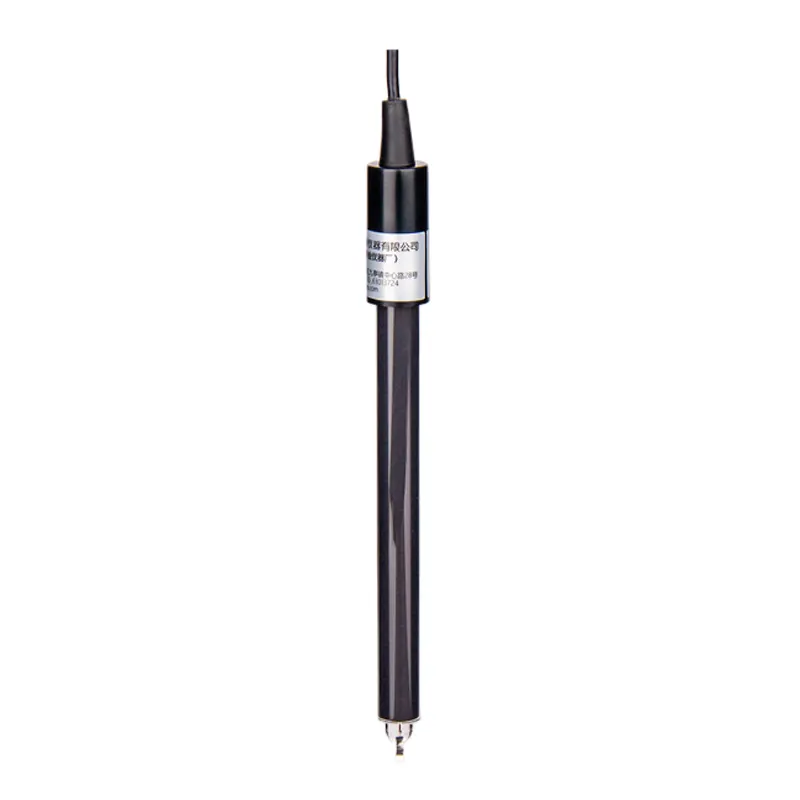
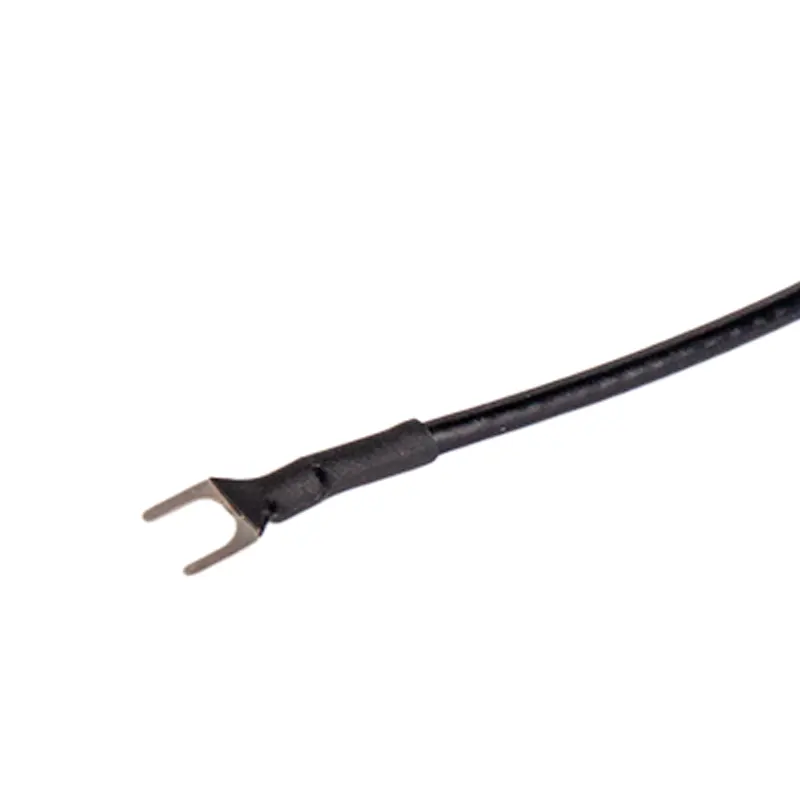
The 213 is a platinum indicator electrode with glass shaft, temperature range 0–50°C. Dimensions Φ12×120mm, U-shape blade connector. Used for ORP measurement and as an indicator electrode in potentiometric redox and precipitation titrations.
The 213 platinum electrode is a solid metal indicator electrode used for oxidation-reduction potential (ORP) measurement and potentiometric titration applications. The platinum sensing element — an inert, highly conductive metal — responds to the redox potential of the surrounding solution rather than a specific ion, making it suitable for a broad range of oxidation and reduction reactions encountered in analytical chemistry.
In potentiometric titrations, the 213 serves as the indicator electrode that detects the sharp change in redox or precipitation potential at the titration endpoint. It is commonly used in conjunction with a reference electrode (such as the 217 or 232) and the ZD-2 automatic potentiometric titrator for redox titrations including permanganate, dichromate, iodometric and cerium-based methods, as well as precipitation titrations involving silver ion reactions.
The glass shaft (Φ12×120mm) provides chemical resistance and rigidity during titration, and the U-shape blade connector ensures direct compatibility with Skill Scientific titrators and ion meters equipped with this connector type. As a solid-state metal electrode, the 213 requires no fill solution and minimal maintenance beyond routine cleaning.
| Model | 213 |
| Description | Platinum Electrode |
| Temperature Range | 0 – 50°C |
| Shaft Material | Glass |
| Fill Solution | — |
| Dimensions | Φ12 × 120 mm |
| Connector | U-shape Blade |
The 213 platinum electrode is used primarily for two purposes: ORP (oxidation-reduction potential) measurement, where the platinum surface responds to the redox equilibrium of the solution; and as an indicator electrode in potentiometric titrations, where it detects the change in electrochemical potential at the titration endpoint. Typical titration applications include redox titrations (permanganate, dichromate, iodometric, cerium sulphate methods) and precipitation titrations (silver/chloride, silver/bromide determinations).
Yes. The 213 is an indicator electrode that measures potential relative to a reference. It must always be used together with a compatible reference electrode — such as the 217, 218 or 232 — to form a complete electrochemical measurement pair. In the ZD-2 automatic titrator, both the indicator and reference electrodes are connected simultaneously.
Platinum is chemically inert, highly resistant to corrosion and oxidation, and an excellent electrical conductor. Unlike pH or ion-selective electrodes which respond to specific ions, a platinum surface rapidly equilibrates with the redox couple present in solution, producing a potential that accurately reflects the oxidation state of the sample. This makes platinum the standard material for ORP and redox titration indicator electrodes across a wide range of chemical systems.
After each use, rinse the electrode tip thoroughly with distilled water. If the platinum surface becomes contaminated — indicated by sluggish or erratic response — clean by briefly dipping in dilute nitric acid (1:1 HNO₃), followed by thorough rinsing with distilled water. For heavy contamination, flame annealing with a laboratory burner can restore the clean platinum surface. Avoid scratching or abrading the platinum sensing tip. Store dry in a clean, covered container between uses.
Both are solid metal indicator electrodes used in potentiometric titrations. The 213 platinum electrode is used for redox titrations where the electrode responds to changes in the oxidation-reduction potential of the solution. The 216 silver electrode is used specifically for precipitation titrations involving silver — such as chloride, bromide and iodide determinations — where silver ion activity at the electrode surface determines the potential. The choice of electrode depends on the titration chemistry being used.
Before You Go — Get a Free Quote